
AI is not only changing technology. It is changing the way people study, work, apply for jobs, build careers, and learn new skills.
But here is the important point:
AI will not affect every job in the same way.
Some tasks may become automated. Some jobs may change. Some new roles may appear. And in many workplaces, people will not be replaced by AI completely — they will be expected to work with AI tools.
That is why the best question is not only, “Will AI take jobs?”
A better question is:
How can we prepare for jobs where AI becomes part of daily work?
AI is changing tasks, not only job titles
Many people think AI will simply remove jobs. In reality, the change is more complicated.
Most jobs are made of many tasks. Some tasks are repetitive, such as writing a basic report, sorting information, summarizing documents, answering common questions, or creating a first draft.
AI can help with many of these tasks.
But many parts of work still need human judgment, communication, creativity, responsibility, emotional understanding, and real-world decision-making.
For example, AI can help a teacher prepare lesson ideas, but it cannot fully understand every student’s personal situation. AI can help a doctor review information, but the final medical judgment needs professional responsibility. AI can help a job seeker improve a CV, but it cannot replace real experience and confidence in an interview.
What skills will matter more?
In the AI era, people may need a mix of digital skills and human skills.
Useful future skills include:
- Understanding how AI tools work
- Writing better prompts
- Checking AI answers carefully
- Solving problems
- Communicating clearly
- Thinking creatively
- Understanding data
- Learning new tools quickly
- Making responsible decisions
The people who learn how to use AI wisely may have an advantage because they can save time, improve their work, and adapt faster.
AI can help workers become more productive
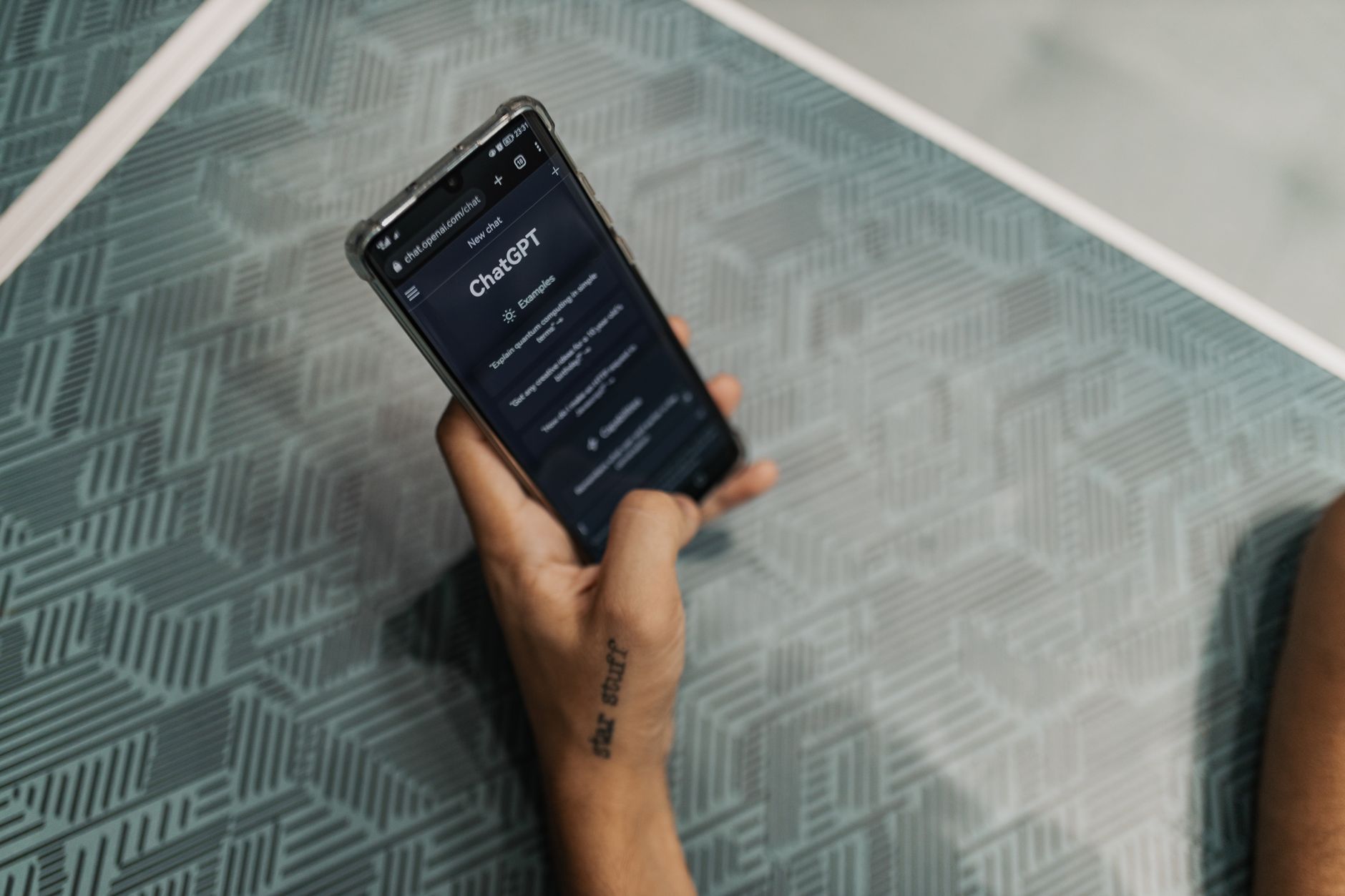
AI tools are already helping people with daily tasks such as emails, reports, summaries, presentations, planning, research, and customer support.
For example:
- Students can use AI to understand difficult topics.
- Office workers can use AI to draft emails and organize notes.
- Researchers can use AI to summarize papers.
- Job seekers can use AI to improve CVs and cover letters.
- Small business owners can use AI for content ideas and planning.
- Teachers can use AI to create learning materials.
You can read our related guide here: Useful AI Tools for Daily Work and Study.
AI works best when it gives you a starting point, not the final answer. The final work should still include your own thinking, checking, and personal style.
Which jobs may change faster?
Jobs with many repetitive digital tasks may change faster. This can include parts of administration, customer service, data entry, basic content creation, reporting, and routine office work.
But this does not mean people in these jobs have no future.
It means the skills inside those jobs may change. A person who can use AI tools, check results, communicate well, and solve practical problems may still be valuable.
At the same time, jobs that involve care, leadership, creativity, hands-on work, complex decision-making, and human trust may continue to need strong human involvement.
What should students and workers do now?
The safest plan is to start learning slowly and practically.
You do not need to become an AI engineer immediately. Start with simple steps:
- Learn what AI is and how it works.
- Try one or two useful AI tools.
- Use AI for small tasks like summaries, planning, or writing drafts.
- Always check important information from trusted sources.
- Build human skills such as communication, creativity, and problem-solving.
You can start with our beginner guide: What Is AI? Simple Explanation for Beginners.
Useful resources to explore
If you want to understand this topic more deeply, these resources are useful:
- World Economic Forum – Future of Jobs Report
- McKinsey – AI and the future of work research
- Microsoft WorkLab – Work Trend Index
- Coursera and edX – AI and future skills courses
- Google AI learning resources
These sources can help you see how employers, workers, and education systems are thinking about AI and future skills.
Important tip
Do not wait until AI becomes compulsory in your job. Start learning now with small daily tasks.
You can begin by using AI to summarize an article, improve an email, plan your study routine, or understand a difficult topic. Small practice makes AI less confusing and more useful.
Final takeaway
AI is changing future jobs, but it is not only a story of job loss. It is also a story of new skills, new tools, and new ways of working.
The people who prepare early will understand how to use AI as a helper instead of fearing it as a threat.
Start simple. Learn one tool. Build one useful skill. Keep your human judgment strong.
That is the best way to prepare for the future of work in the AI era.
Want to understand the bigger AI picture first? See our AI for Beginners hub.




0 Comments